
Sports Advice
Backpacks: Behind the scenes
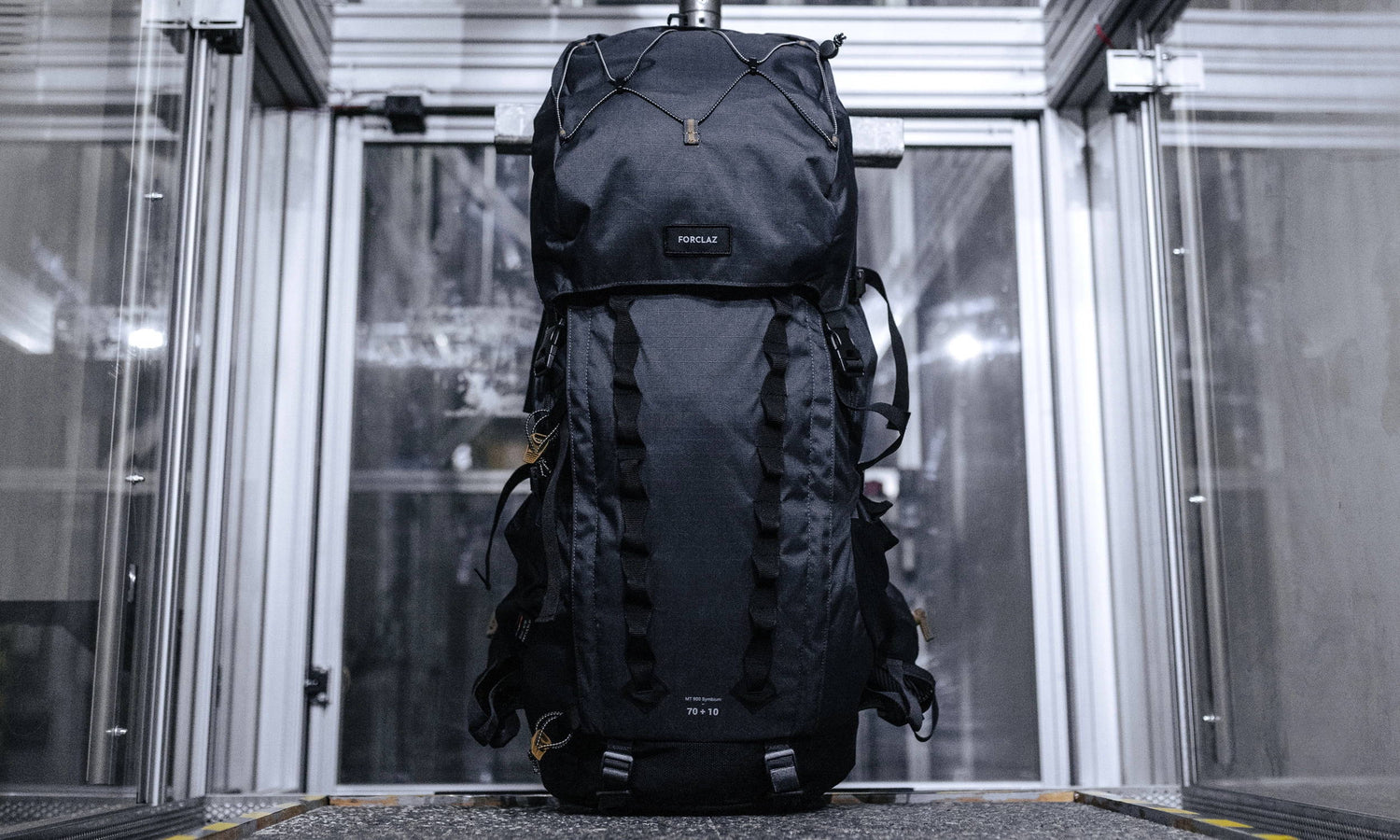
Creating a reliable outdoor backpack requires more than stitching fabric together. At Decathlon, the journey begins in the heart of the Alps, near Mont Blanc, where a dedicated team of hikers and mountain enthusiasts constantly explores rugged terrain in search of better performance and smarter design. Their goal is simple: to design backpacks that inspire confidence and excitement for every adventure, whether you are trekking through alpine trails or planning a short countryside hike.
The development process starts with careful attention to the people who will actually use the backpacks. Product specialists spend time gathering insights from hikers, travelers, and outdoor lovers of all skill levels. They study how customers pack, how long they hike, what climates they encounter, and which frustrations they experience with existing gear. Feedback plays a central role, and in some cases, passionate users even collaborate directly with designers to help shape new models. By truly understanding expectations and real-world challenges, the team builds a strong foundation before any sketch is drawn.
Once the research phase is complete, designers step into their creative workspace. Here, imagination meets practicality. Every detail is considered: the silhouette of the pack, the balance between volume and weight, the placement of compartments, the structure of shoulder straps, and the design of buckles and fasteners. Comfort and durability guide each decision. The aim is to create a backpack that feels natural on the body while remaining tough enough to endure demanding conditions. Environmental responsibility is also part of the blueprint, with an emphasis on materials that are more sustainable and components that can be repaired rather than replaced. Through digital modeling and refined sketches, concepts gradually evolve into precise technical plans.
Turning these plans into something tangible is the next crucial step. Skilled technicians in the workshop transform drawings into real prototypes. This stage rarely results in just one version. Multiple samples are produced, each with slight adjustments to structure, stitching, padding, or weight distribution. Trying out different configurations allows the team to refine the fit and improve functionality. A backpack must not only look appealing on paper but also sit comfortably against the back and move naturally with the wearer. Testing these early models often reveals small improvements that make a significant difference in comfort during long hikes.
After prototypes are finalized, the backpacks undergo thorough evaluation. Laboratory tests measure resistance to tearing, abrasion, and repeated stress. Zippers are opened and closed thousands of times, straps are pulled under heavy loads, and fabrics are exposed to varying temperatures and moisture levels. These controlled conditions ensure that each component meets strict durability standards. However, lab testing is only part of the process. Real-world trials are equally important. The backpacks are taken onto mountain trails, forest paths, and multi-day treks by experienced hikers and everyday adventurers. Testers assess how the pack performs when fully loaded, how it adapts to different body shapes, and how easy it is to access gear on the move.
Feedback from these field tests is carefully reviewed. If something does not perform perfectly, adjustments are made and the cycle continues. Only when the backpack meets high expectations in both laboratory and outdoor environments does it move forward to production. The objective is to ensure that every model delivers reliability, comfort, and practicality for a wide range of outdoor experiences.
Even after a backpack reaches the market, the development journey does not truly end. Customer reviews and ongoing feedback remain valuable sources of insight. By listening continuously, the team can identify opportunities to enhance future designs and respond to evolving needs. This commitment to improvement means that each new generation of backpacks builds upon the lessons learned from real adventures.
Through attentive listening, thoughtful design, hands-on prototyping, and rigorous testing, Decathlon creates backpacks intended to accompany explorers wherever their paths lead. The result is gear designed not just to carry belongings, but to support memorable journeys in the mountains and beyond.